 Progression
A trainer, not a tracker
Most people in a gym are guessing.
A coach would tell you what to lift, how heavy, and when to push. Progression does that — built around the equipment you actually have, the days you can actually train, and what you actually lifted last week.
No account, no card, no adverts. Add it to your home screen and it works with no signal.

A trainer is $70 an hour. Most people just do their best.
So they run the same three exercises for a year, add weight when they feel like it, and wonder why nothing moves. The problem was never effort. It was that nobody was writing the programme.
It knows your gym
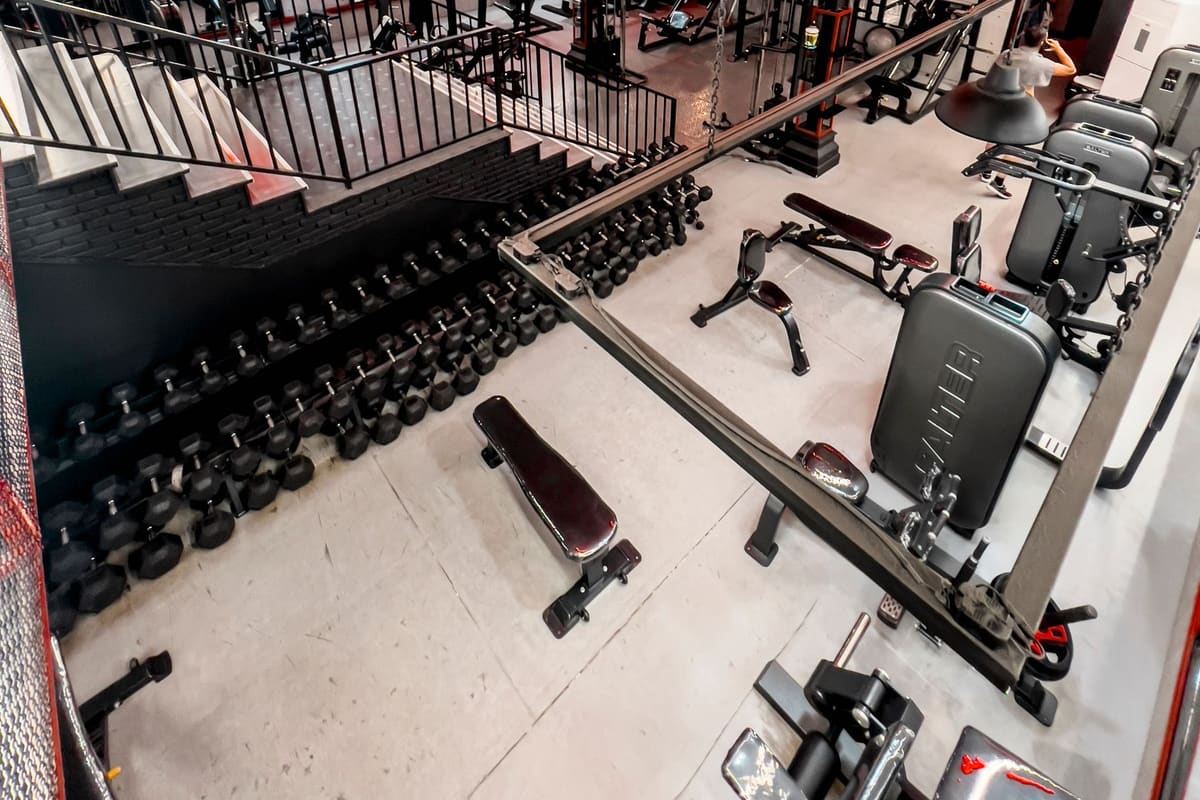
A rack and a bar in the garage, dumbbells to 24 kg, or a full commercial floor. Nothing is prescribed that you cannot physically load.
It changes every week
Hit the top of your reps and the weight goes up. Miss twice and it backs off. Stall three times and it swaps the movement out.
It tells you why
Every change comes with the sentence behind it. A programme that adjusts silently is indistinguishable from one that is broken.

How it works
Seven questions, then it writes the block.
-
Tell it what you have
Your goal, your days, your kit, your body. Two minutes, once.
-
Train off the screen
Every set, the weight and the rep range, the rest timer, and the cue that matters for that lift.
-
Next week is built from this one
Not from a template. From what you logged, including the sets you missed and the days you did not come in.

When something hurts
It works around a bad shoulder instead of ignoring it.
Tell it a joint hurts and it swaps what loads that joint, keeps training everything else, and says plainly when the answer is a physiotherapist rather than a lighter set. And it asks again. Weeks later it offers the movement back — one light set, entirely optional — so a niggle from March is not still shaping your training in November.
It will also hand you a page for the physio: when it started, what you reported it on, and every load that has gone through that joint since.
What it does not do
Nothing leaves your phone.
There is no account, because there is no server. Your training is stored on your device and nowhere else — no analytics, no adverts, nothing sold to anybody. The one exception is spoken logging, which the browser sends to its own speech service, and the app says so at the microphone rather than in a policy.
It runs with no signal, which matters in a basement gym, and you can take your whole history out as a file whenever you like — and put it back on a new phone.
Stop guessing this week.
It is free, it opens in a browser, and setup takes two minutes.
Fourteen languages · pounds or kilograms · works offline